A. Ramachandran (1935–2024)
A Legacy of Myth and Nature
Achuthan Ramachandran Nair was a visionary of Indian modern art who famously transitioned from socio-political realism to a celebratory, indigenous aesthetic.
Early Life and Career
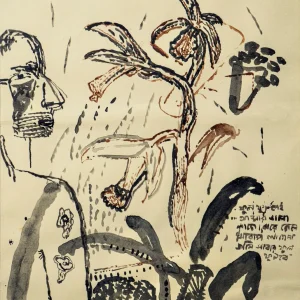
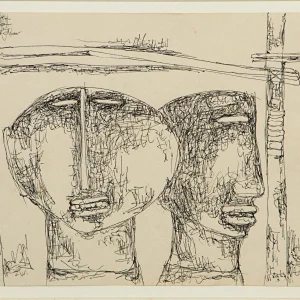
Born in Kerala, Ramachandran transitioned from Malayalam literature to fine arts at Santiniketan. His early work reflected 1960s political turmoil and existential angst. However, the 1984 anti-Sikh riots prompted a profound shift, leading him to abandon dark, urban themes for a more humane, celebratory, and aesthetically rich artistic language.
Artistic Style and Legacy
Ramachandran is best known for his monumental mural-sized paintings, most notably “Yayati” (1986). This work signaled his shift toward Indian mythology, incorporating vibrant colors and intricate details reminiscent of Kerala murals and Ajanta cave paintings.
- Indian Mythology: Blending epic narratives with the vibrant colors of Kerala murals and Ajanta frescoes.
- The Bhil Tribe: Drawing inspiration from the tribal life and landscapes of Rajasthan.
- Nature Motifs: Using the lotus pond as a recurring symbol of life’s continuity.
Legacy and Later Years
A versatile creator, Ramachandran was also a sculptor, illustrator of children’s books, and a dedicated educator at Jamia Millia Islamia. He was awarded the Padma Bhushan in 2005. His legacy lies in his refusal to follow Western modernism blindly, instead crafting a modern Indian identity rooted in indigenous aesthetics. He passed away in February 2024, leaving behind a body of work that celebrates the profound continuity of life and myth.