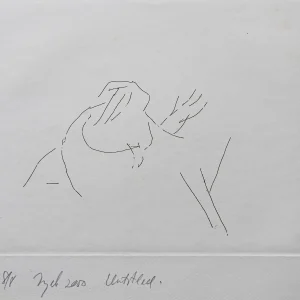
Akbar Padamsee (1928–2020)
The Philosophic Modernist
Akbar Padamsee was a towering figure in Indian modern art and a core member of the Progressive Artists’ Group. Known as a “thinker’s artist,” his work was a deep intellectual exploration of form, space, and the human condition.
Early Life and Career
Born in Mumbai in 1928, Padamsee graduated from the Sir J.J. School of Art before moving to Paris in 1951. Mentored by Stanley Hayter, he embraced European Modernism. In 1952, André Breton awarded him a prestigious prize for his painting Woman with Bird, cementing his international reputation as a master.
Artistic Style and Major Works
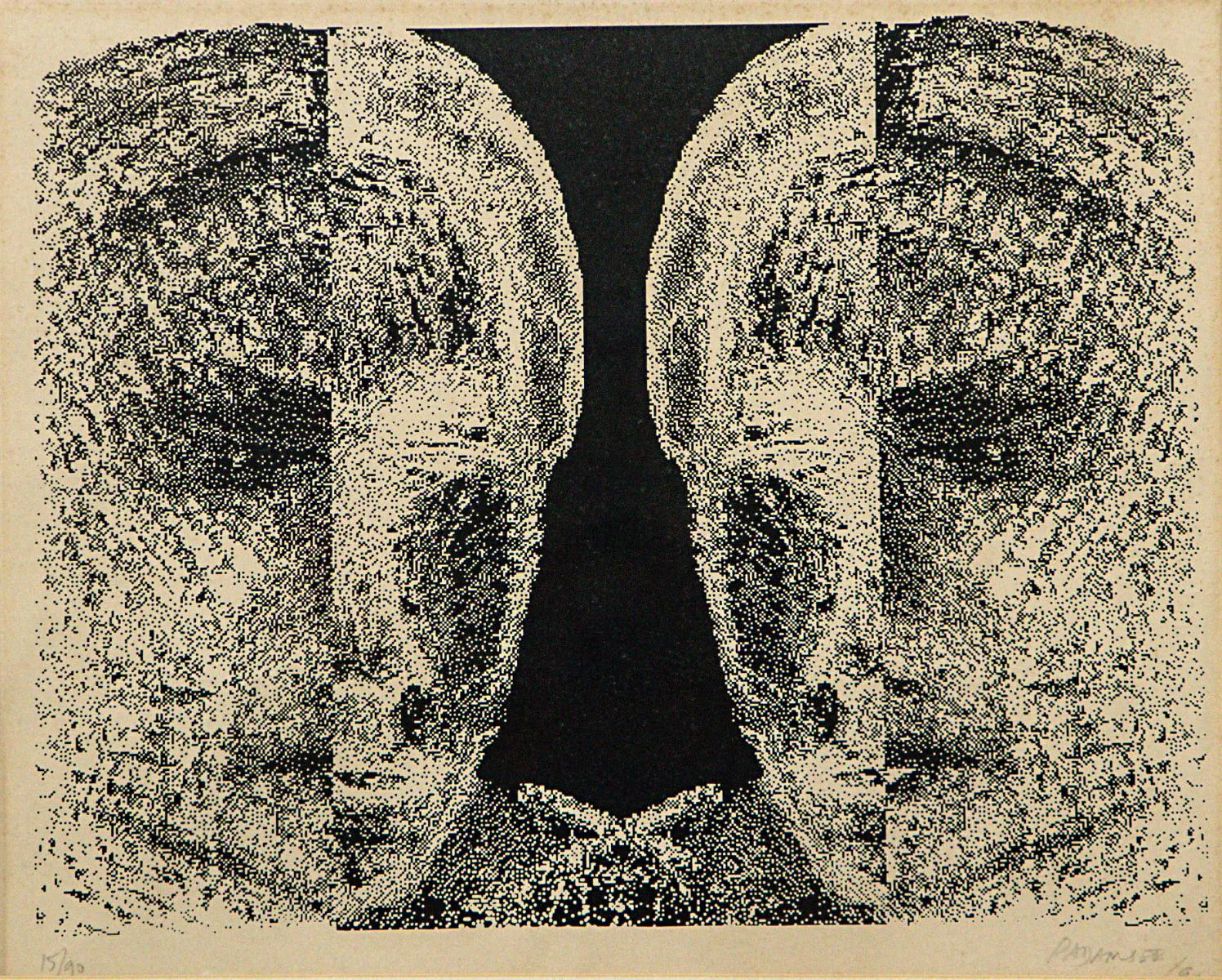
Padamsee’s style was defined by a restless experimentation across mediums, including oils, sculpture, and even digital art. His work is best summarized through three major phases:
- The Grey Series (1950s–60s): Abandoning color to explore tonal depth, these monumental monochromes focused on the “impartiality” of grey.
- Metascapes: His most famous series, these are “mythological landscapes” that often featured the sun and moon simultaneously, inspired by Kalidasa’s Sanskrit poetry.
- Heads and Figures: Solitary, sculptural human forms—such as the Prophet series—that reflected existential solitude.
Legacy and Later Years
Padamsee was a polymath who also made experimental films like Syzygy. He was awarded the Padma Bhushan in 2010 for his lifelong contribution to the arts. Until his passing on January 6, 2020, in Coimbatore, he remained a mentor to younger artists, leaving behind a legacy that elevated Indian art to a plane of metaphysical and mathematical precision.